Combustion stability and optimized management of gaseous and liquid fuels are essential to maximizing the availability, safety, and energy efficiency of industrial thermal processes.
Combustion control strategies typically rely on fuel flow, combustion air, and oxygen control. However, they can have difficulty responding to rapid changes in load, fuel composition, or heating value, particularly when multiple fuels or process gases are used simultaneously.
These limitations can result in:
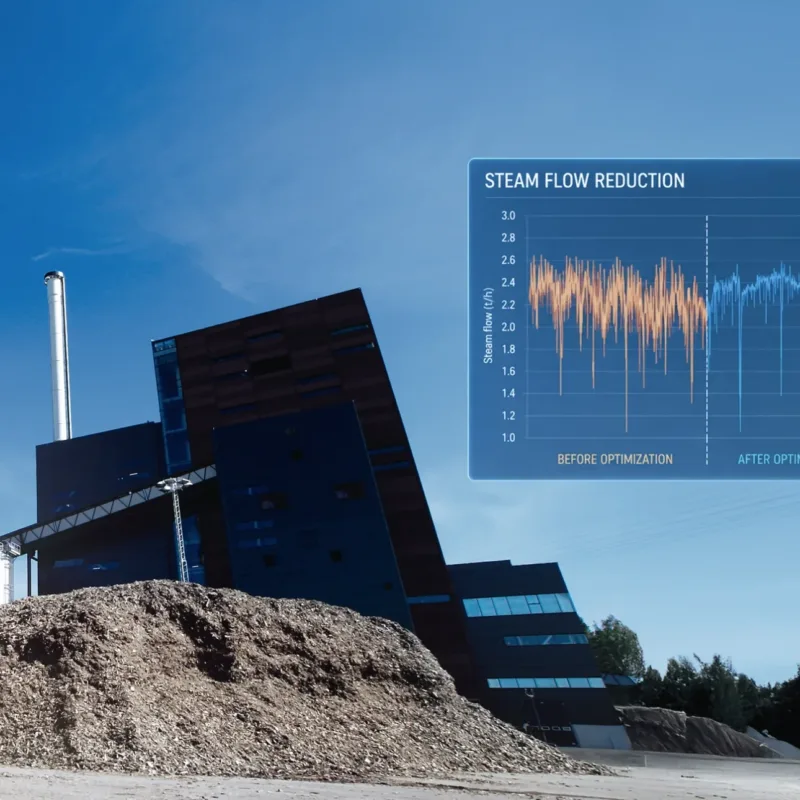
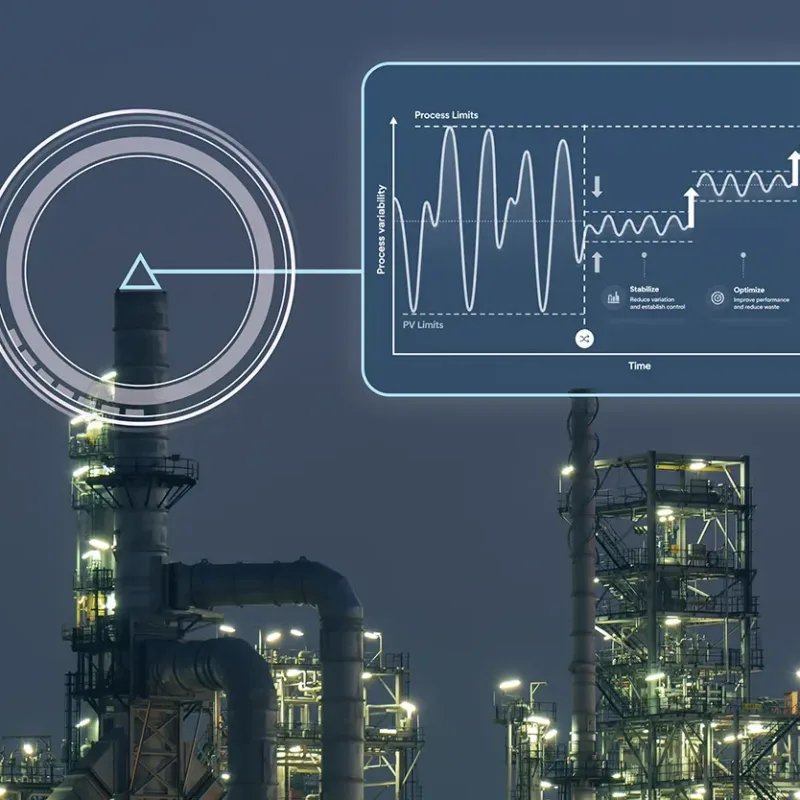
- Combustion and thermal-load instability, increasing temperature, pressure, or steam-production variability and limiting the ability to operate near the technical limits of the unit;
- Excessive fuel consumption and reduced energy efficiency, when excess air, the air-to-fuel ratio, or fuel distribution are not maintained near their optimum conditions;
- Frequent operator intervention and limited use of process gases, when variations in composition or heating value require manual adjustments and increase the use of conventional fuels or the amount of gas sent to flare.
Enero Solutions optimizes and embeds advanced combustion control strategies directly within the control system.
These strategies can include cross-limited air-to-fuel ratio control, oxygen trim control, feedforward signals, multi-fuel strategies, and prioritization of process gases such as hydrogen, carbon monoxide, or syngas.
Enero’s optimization approach makes it possible to:
- Maximize automatic operation and combustion stability
- Reduce conventional fuel consumption and maximize the use of process gases
- Improve energy efficiency and system response to load and fuel variations
- Integrate combustion control with safety functions through our Smart BMS approach

Discover our industries that impact this expertise